World renowned adventurer Bear Grylls has joined forces with acclaimed composer and pianist Fabio D’Andrea for a powerful new music video addressing one of society’s most overlooked challenges. Released on World Homelessness Day 2025, “Pace” brings urgent attention to the growing crisis of hidden homelessness through a blend of classical music and compelling narrative storytelling.
The collaboration, created in partnership with The Salvation Army, aims to shine a light on the countless individuals experiencing homelessness who remain invisible to the public eye. While official counts show more than 770,000 people experience homelessness in the United States, even more are not captured in those figures.
The Faces Behind the Statistics
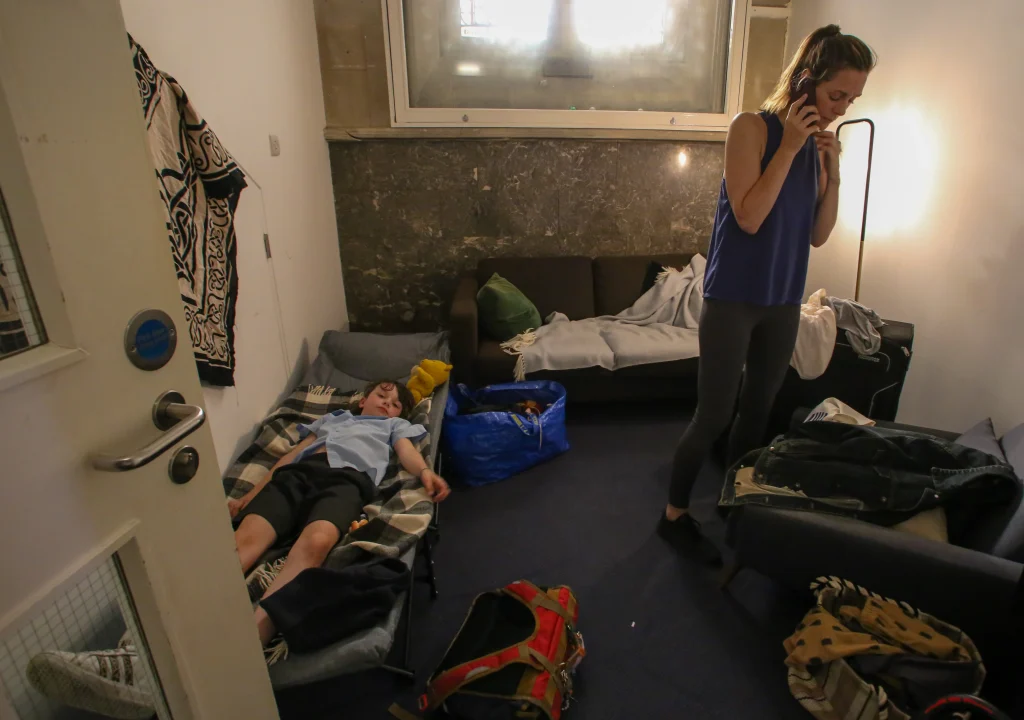
D’Andrea explains that hidden homelessness takes many forms that people rarely consider. A veteran living in a motel room. A teenager who appears to have everything together but secretly lives out of a school bag. These individuals move through society unnoticed, their struggles concealed behind a facade of normalcy.
The surge in numbers has created a generation facing unprecedented hardship. Since the COVID-19 pandemic, the rate at which Americans experience homelessness has risen to record levels, growing 30 percent from 2022 to 2024 according to a Federal Reserve Bank of Minneapolis study. These estimates may not fully capture the hidden homeless population that moves from one unstable housing situation to the next, relying on motel rooms or vehicles for shelter.
D’Andrea emphasizes the importance of awareness and connection. He wants anyone struggling to know there is both help and hope available. By sharing the video widely, he hopes viewers may see their own reality reflected and realize that support exists within reach.
A Meaningful Partnership
The Salvation Army’s involvement in the project reflects the organization’s deep commitment to addressing both visible and invisible forms of homelessness. As one of the nation’s largest providers of shelter and housing support, the organization delivered more than 10 million nights of shelter last year through over 600 shelters nationwide.
The organization has more than tripled the number of people it has connected with permanent housing over the past five years as need has grown. This dramatic expansion demonstrates both the scale of the crisis and the determination to meet it with comprehensive support.
Commissioner Merle Heatwole, National Commander of The Salvation Army, described the collaboration as more than a powerful visual. It represents a call to action that will help inspire more support for millions of people in need. The organization expressed gratitude to D’Andrea and Grylls for highlighting this issue in such a meaningful way.
The Art Behind the Message
The emotionally charged music video takes its title from the Italian word for peace. As part of D’Andrea’s visual piano album 24, the piece adapts the timeless Prayer of Peace by St. Francis of Assisi. International opera singer Freddie De Tommaso performs the prayer in Italian, adding vocal depth to D’Andrea’s piano composition.
D’Andrea believes music can do more than move people emotionally. It can inspire action. With “Pace,” he wanted to highlight the struggles of those living in the shadows of society, including families, veterans, and children. Their challenges remain unseen but are no less real than those experienced by people sleeping rough on the streets.
The project continues D’Andrea’s tradition of using his artistic platform for social impact. His previous music videos include “Love Should Not Hurt,” starring America’s Got Talent judge Mel B, which addressed domestic abuse, and “Hope Reborn,” featuring Game of Thrones actress Rose Leslie, which supported those with multiple sclerosis and hidden illnesses.
Bear Grylls as the Modern Good Samaritan
In “Pace,” Grylls portrays a modern day Good Samaritan who offers compassion to those in need. Known worldwide for his courage in extreme environments, Grylls said his participation reflects the critical importance of care and empathy for those without stable housing.
Grylls believes that helping others represents the ultimate sign of strength. While acknowledging that everyone fails often and could do more, he emphasizes that showing compassion to those in need stands among the most beautiful acts human beings can perform.
The adventurer refuses to ignore the struggles of those around him. That spirit of refusing to look away embodies the essence of the Good Samaritan story and motivated his involvement in the project. By lending his voice and presence to this cause, Grylls hopes to draw attention to the invisible crisis affecting millions of people.
Understanding the Invisible Crisis
Hidden homelessness challenges common perceptions of what housing instability looks like. Unlike rough sleepers on city streets, the hidden homeless blend into everyday environments. They work jobs, attend school, exercise at gyms, and participate in normal activities while privately struggling to maintain shelter.
This invisibility creates unique challenges. People experiencing hidden homelessness often feel isolated and ashamed, reluctant to seek help because they don’t match the stereotypical image of someone who is homeless. They may not realize that organizations like The Salvation Army specifically serve people in their situation.
The video’s narrative approach helps bridge this gap in understanding. By showing realistic scenarios that many viewers might recognize from their own communities, “Pace” makes the abstract concept of hidden homelessness concrete and relatable. It prompts viewers to reconsider their assumptions about who needs help and what homelessness actually looks like.
The Power of Attention and Action
The message at the heart of “Pace” centers on the transformative power of simply paying attention. The video demonstrates how small acts of awareness and kindness can open pathways to meaningful support. A conversation at a gym. A moment of genuine interest. These seemingly minor interactions can become turning points in someone’s journey from crisis to stability.
This approach makes the film’s call to action accessible to everyone. People don’t need wealth or special expertise to make a difference. They need awareness, compassion, and willingness to connect struggling individuals with existing support systems.
The Salvation Army annually helps more than 28 million people in America overcome poverty, addiction, and economic hardships. The organization provides food, shelter, eviction prevention assistance, emergency disaster relief, rehabilitation, youth programs, spiritual enrichment, and more through 7,300 centers of operation around the country. These resources already exist in nearly every ZIP code, ready to serve anyone who reaches out.
A Call for Community Response
D’Andrea, Grylls, and De Tommaso hope “Pace” will inspire viewers to take concrete action in their own communities. Those who want to assist their neighbors in need can find their nearest local Salvation Army online and explore volunteer opportunities or donate to ongoing efforts to shelter people without stable housing.
The video serves multiple purposes simultaneously. It raises awareness about an often overlooked issue. It offers hope to people currently experiencing hidden homelessness by showing them that support exists. It challenges viewers to expand their understanding of housing instability. And it provides clear pathways for people who want to help but don’t know where to start.
By releasing the video on World Homelessness Day, the collaborators ensured maximum impact and relevance. The timing connects the artistic work to a global movement addressing housing insecurity in all its forms.
Music as a Catalyst for Change
D’Andrea’s 24 project represents an ongoing commitment to uniting music with socially conscious storytelling. By featuring collaborations with leading actors and musicians, he creates works that reach beyond traditional classical music audiences to engage broader communities in important conversations.
The choice to adapt the Prayer of Peace by St. Francis of Assisi adds spiritual depth to the project. The prayer’s themes of bringing love where there is hatred, hope where there is despair, and light where there is darkness resonate powerfully with the video’s message about hidden homelessness.
De Tommaso’s operatic performance in Italian creates an emotional atmosphere that transcends language barriers. The combination of his soaring vocals and D’Andrea’s delicate piano work creates space for reflection and empathy, allowing the visual narrative to unfold with maximum emotional impact.
Looking Forward
“Pace” arrives at a critical moment when conversations about affordable housing, social safety nets, and community responsibility have become increasingly urgent. The video offers more than awareness. It offers a framework for understanding how ordinary people can participate in addressing a crisis that might otherwise feel overwhelming in its scope.
The collaboration between Grylls, D’Andrea, De Tommaso, and The Salvation Army demonstrates what becomes possible when artists, advocates, and service organizations work together toward a common goal. Their combined platforms and talents amplify the message far beyond what any single voice could achieve.
As the video circulates online and through social media, it has the potential to reach millions of viewers worldwide. Some will encounter the issue of hidden homelessness for the first time. Others will see their own struggles reflected on screen and realize they are not alone. Still others will be moved to volunteer, donate, or simply pay closer attention to the people around them.
The success of “Pace” will ultimately be measured not in views or accolades but in changed lives. Every person who finds shelter through increased awareness. Every volunteer who steps forward to help. Every donation that extends an organization’s reach. These tangible outcomes represent the true legacy of this powerful artistic collaboration.
In a world that often feels divided and disconnected, “Pace” reminds viewers of their shared humanity and collective responsibility to care for one another. It challenges the notion that homelessness is someone else’s problem and invites everyone to be part of the solution. Through the universal language of music and the power of visual storytelling, it transforms statistics into stories and strangers into neighbors worth noticing.